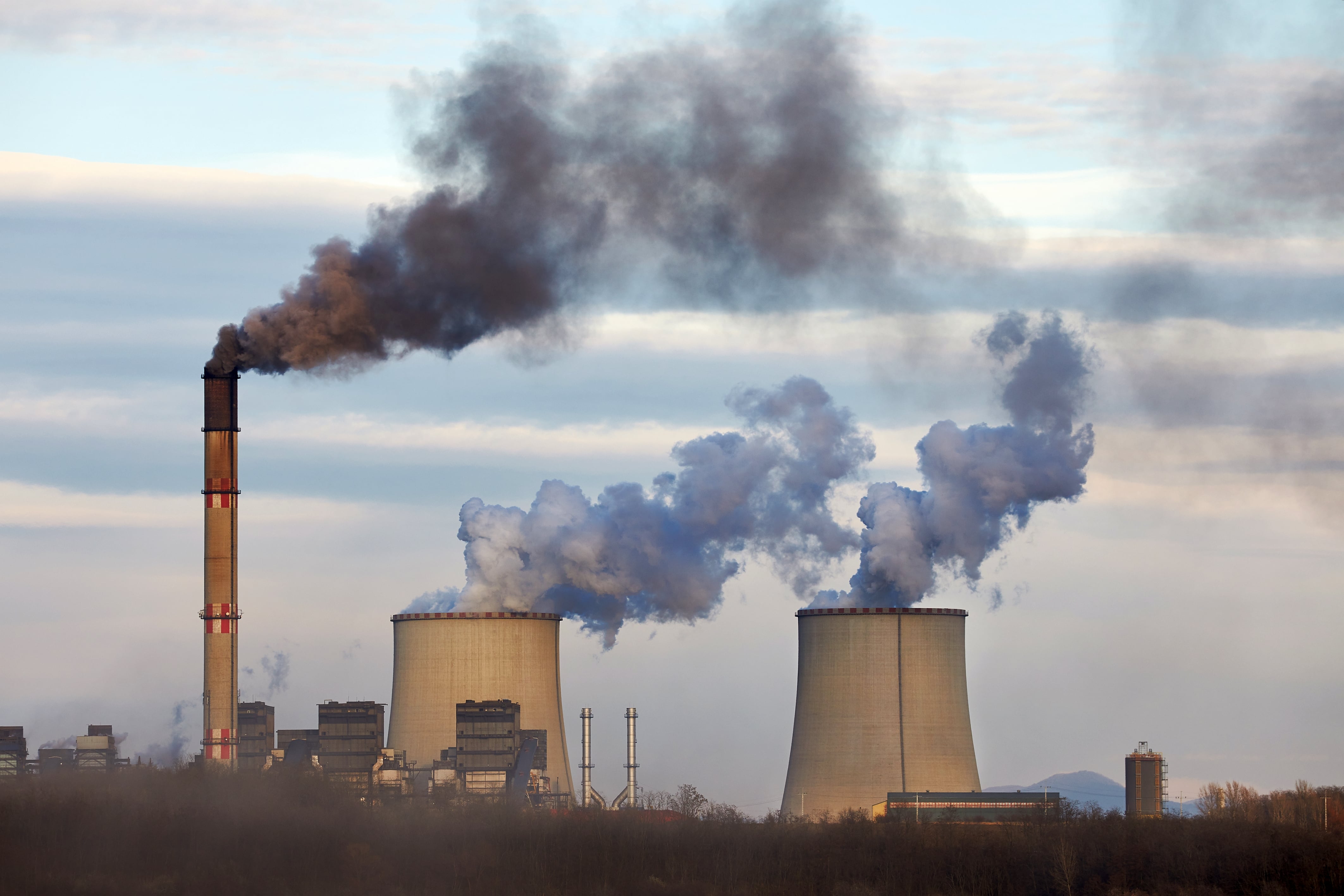
The Climate Law passed by Parliament. The law regulated an emissions trading system, not policies for the benefit of society and nature
04.07.2025
Friday


The Climate Law, passed by the General Assembly of the Turkish Grand National Assembly (TBMM), fell short of being a fair and effective tool to combat the ever-increasing climate crisis. Ms. Deniz Ataç, Chairperson of the Board of Directors of the TEMA Foundation, commented on the law, supposed to include policies for the benefit of society and nature, saying, "With the Climate Law passed by the TBMM, nature and humanity have lost. This law prioritized emissions trading, not society and nature."
The bill, first "Climate Law" of Türkiye, was submitted to Parliament in February after its endorsement by a committee and was withdrawn in April. It was announced that it would be presented to a newly established committee with the promise of a more participatory and transparent process. However, the promise of participation in this critical legislative process, which affects all segments of society, was not kept. The bill was submitted directly to the General Assembly of Parliament in June, without meaningfully including civil society organizations, local governments, and experts working in the field of climate. The bill, debated and passed in the Turkish Grand National Assembly on July 2-3, prioritized establishing the Emissions Trading System (ETS), which transforms clean air into a tradable commodity, rather than strengthening greenhouse gas reduction and adaptation policies against the climate crisis. This system created room for profit for companies, while social and climate justice objectives were overlooked.
Ms. Deniz Ataç, Chairperson of the Board of Directors of the TEMA Foundation, pointed out that the law was not a "Climate Law," but rather an "Emissions Trading System Law," stating, "Unfortunately, a participatory and transparent process was not pursued in the preparation process for such a critical law, which concerns the future of society and nature. Instead of a holistic and science-based solution to mitigate the negative impacts of the climate crisis, a narrow framework prioritizing economic concerns was presented. The result is a law that prioritizes emissions trading over society and nature."
The Paris Agreement and scientific facts were ignored
Emphasizing that the law ignores scientific facts, Ms. Ataç said, "This approach also contradicts the spirit of the Paris Agreement. The goal of limiting global temperature rise to 1.5°C, set forth in the Paris Agreement, is one of the most important international commitments to which Türkiye is a party. However, this critical goal was not explicitly included in the Climate Law adopted; even the 2053 net-zero emissions target was not defined as a binding provision." She noted that many climate laws around the world contain such targets in a clear, unambiguous, and verifiable manner, while Climate Law of Türkiye contradicts scientific facts and the international agreements to which it is a party.
Fossil fuel phase out and a just transition were ignored
Another striking shortcoming of the law was the lack of a clear roadmap for the phase-out of fossil fuels. However, the effective fight against the climate crisis, negative impacts of which are increasingly compounded by human activities, necessitates the gradual reduction in the use of fossil fuel.
Furthermore, as social inequalities in society deepen with the climate crisis, protecting the most vulnerable groups, such as women, children, farmers, workers, and the poor, is vital. Unfortunately, the law lacks concrete safeguards for the needs of these groups.
Furthermore, the fact that only 10 percent of ETS revenues are allocated to just transition programmes that leave no one behind, primarily involving workers, their families, and local communities, clearly demonstrates that the law positions capital over citizens.
Emphasizing that all these regulations are significantly inadequate to protect nature and society, Ms. Ataç said, "Steps to combat the negative impacts of the climate crisis must be shaped by an approach consistent with scientific facts and that considers the needs of all segments of society. The Climate Law, however, fails to address vital issues such as the phase-out of fossil fuels and the just transition. Furthermore, the law lacks an independent oversight body to monitor and oversee all these activities."
"The Climate Law has left nature and humanity at a disadvantage"
Ms. Deniz Ataç, Chairperson of the TEMA Foundation, emphasized that protecting all our natural assets and prioritizing the public interest is essential for a more livable future, stating, "The Climate Law has left nature and humanity at a disadvantage. As the TEMA Foundation, we believe this law lacks any steps to protect nature and society, is unscientifically based, is non-participatory, and disregards the principles of social justice. In its current form, the law risks hindering Turkey's ability to wage an effective and holistic fight against the climate crisis. We expect the Constitutional Court to overturn this law, which contains significant shortcomings, before it causes further damage."
You Know, You Are Responsible! The TEMA Foundation