Young farmers adapt to climate change with the Drought Masters Project
26.06.2025
Thursday

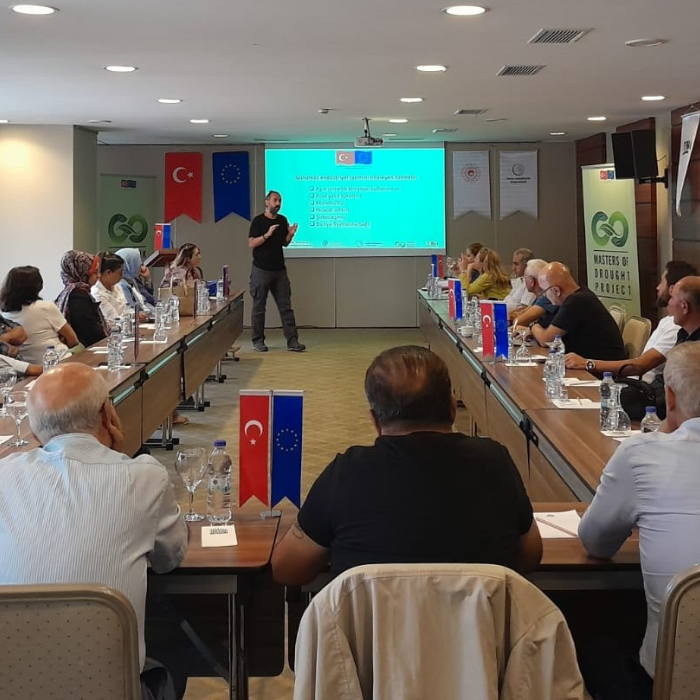
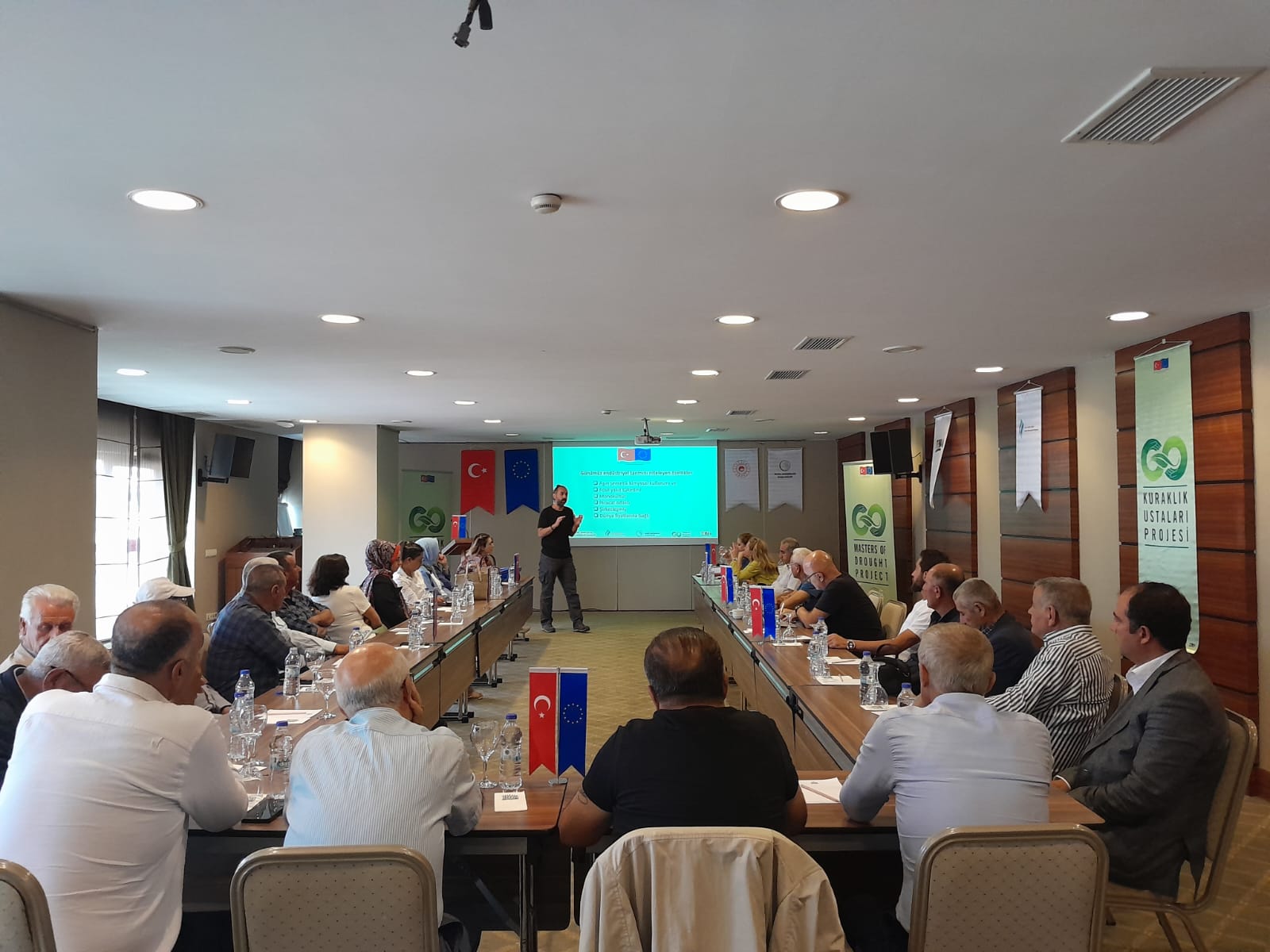
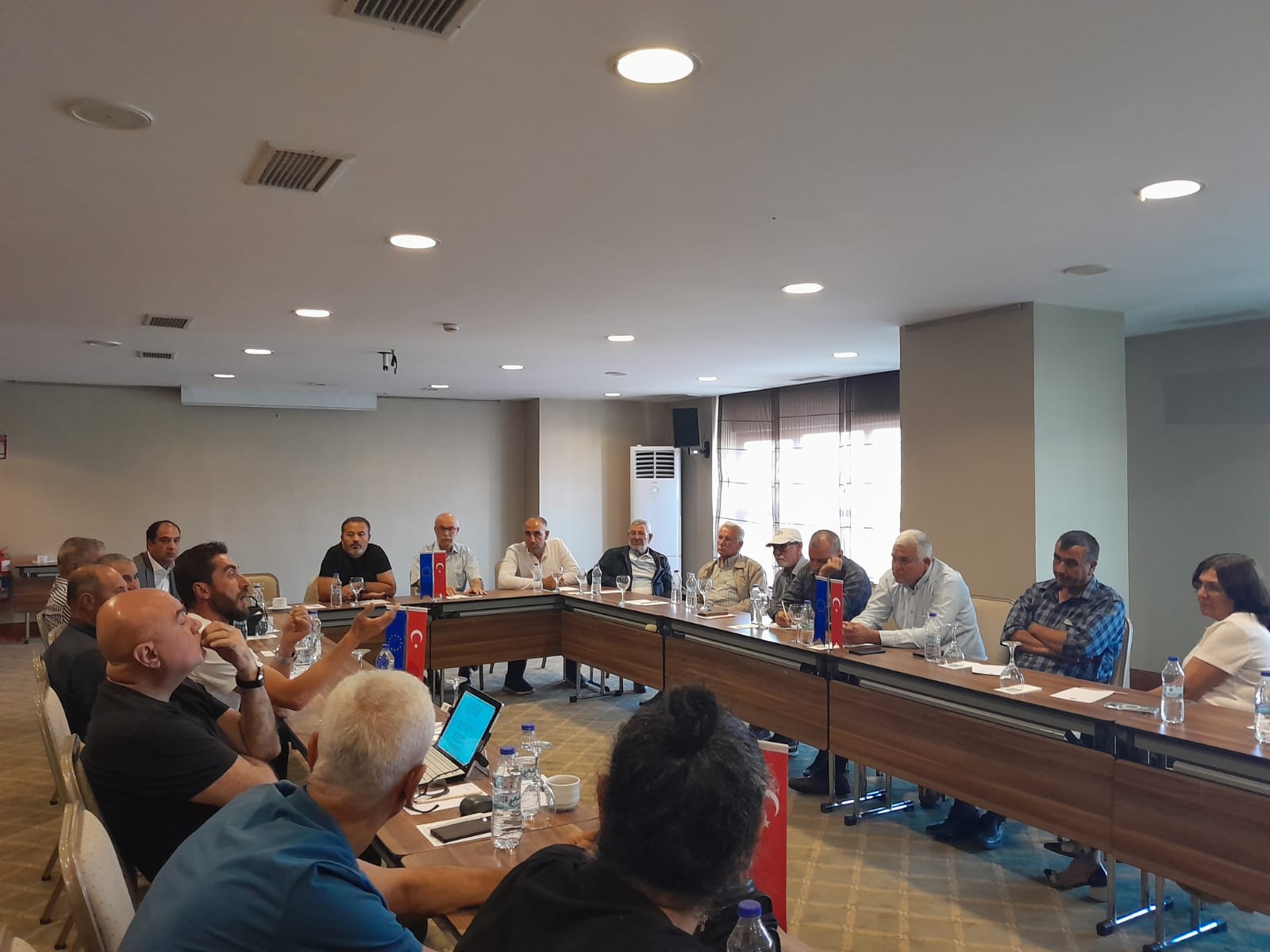
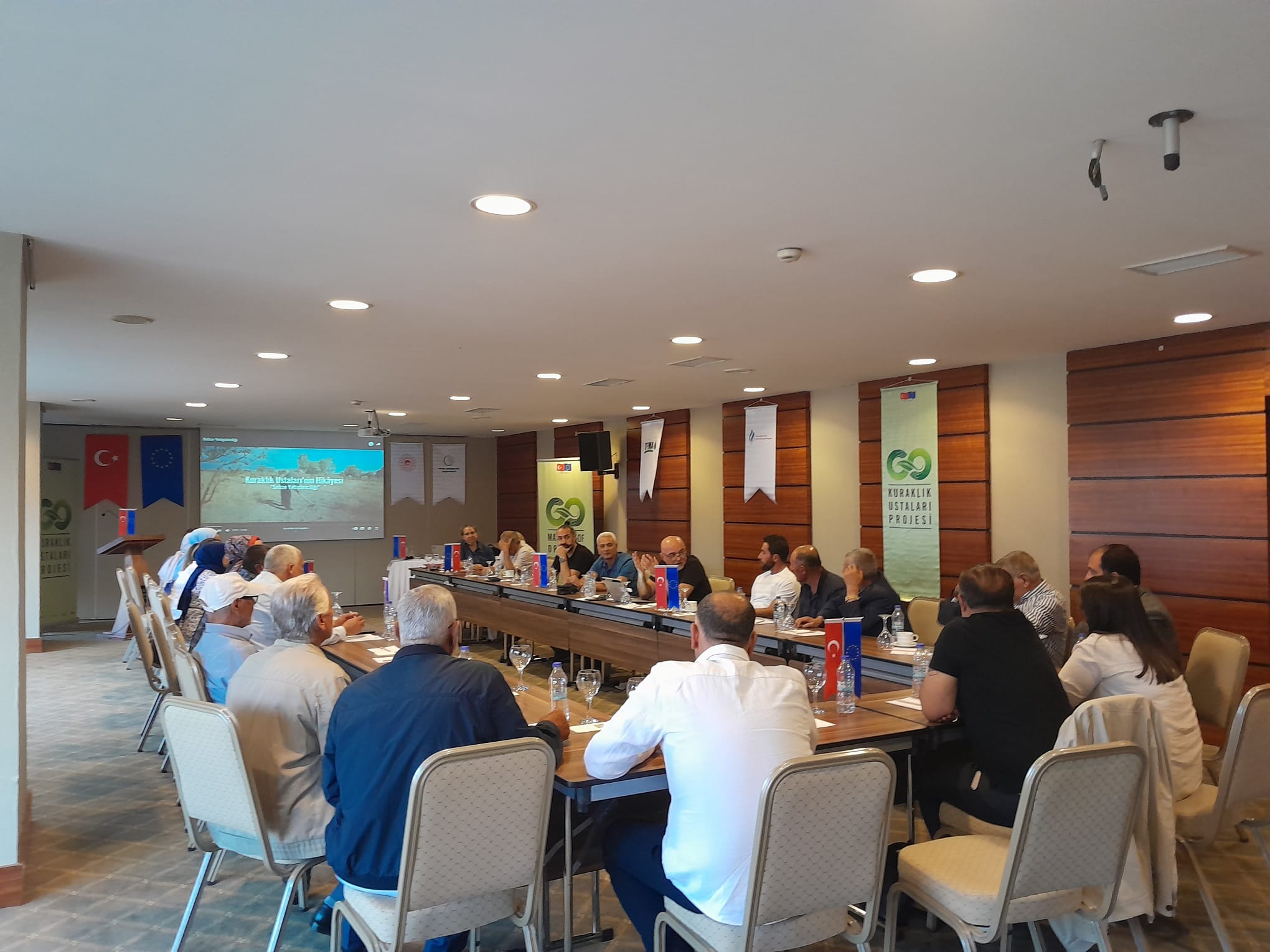
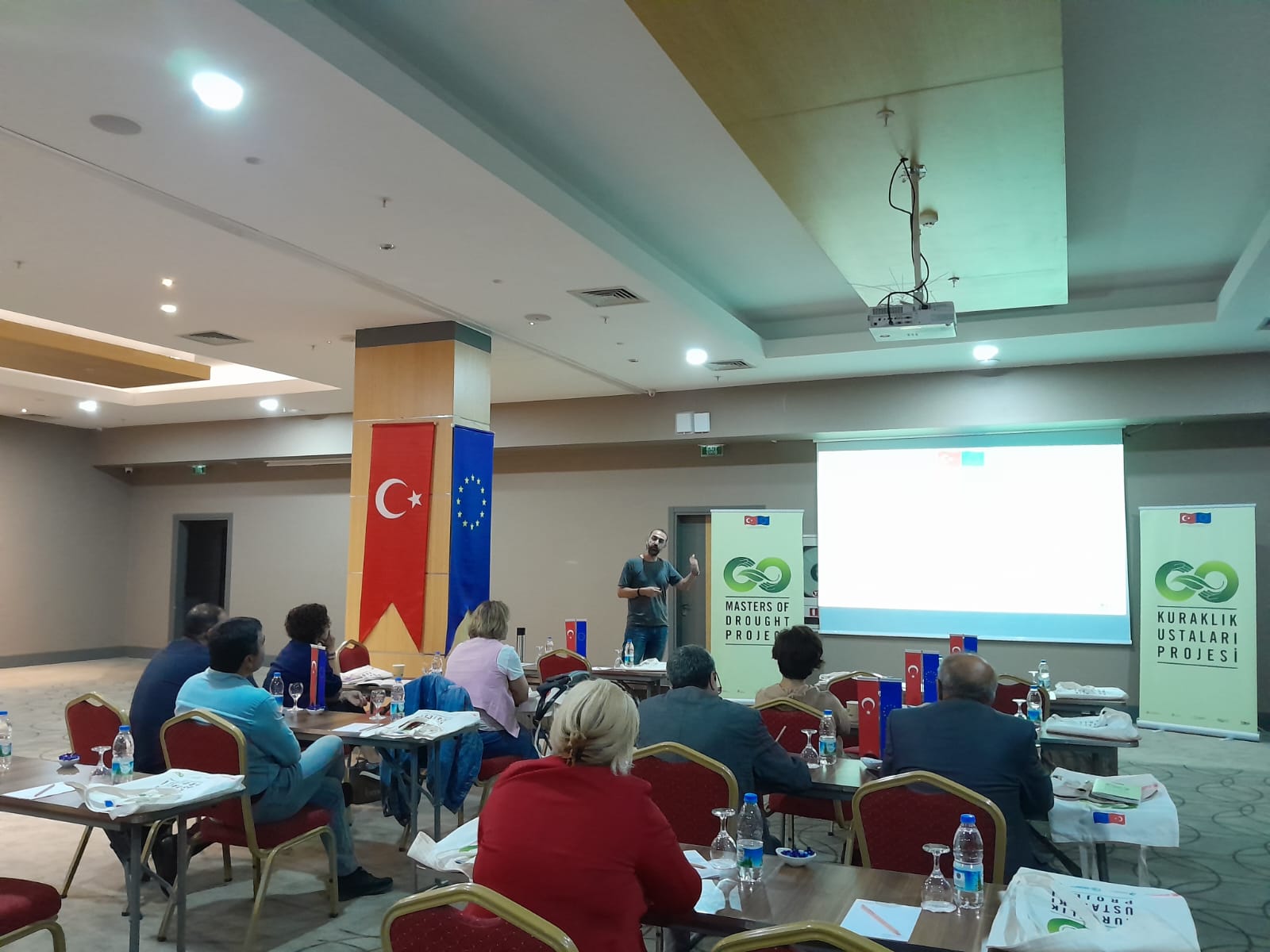
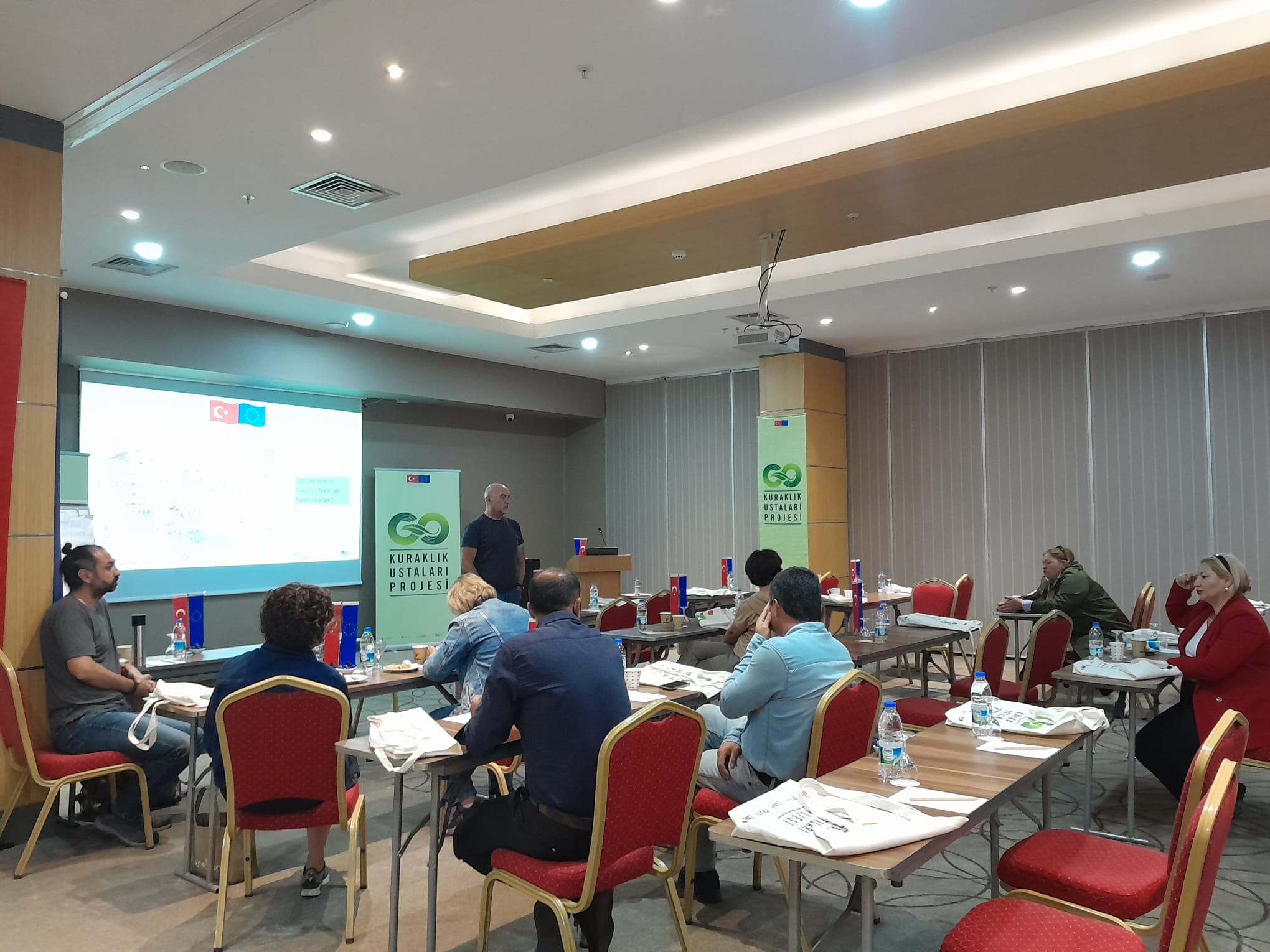
Training content developed as part of the Drought Masters Project, aiming to promote drought-resistant agricultural practices, came together with producers, agricultural engineers, and experts in Eskişehir and Gaziantep.
These meetings aim to enable producers to sustain their agricultural activities by learning environmentally friendly production methods compatible with climate change. They also aim to pass down agricultural knowledge from generation to generation and strengthen solidarity among producers.
Through the sessions held in Eskişehir and Gaziantep in recent weeks, approximately 50 farmers were reached. The program introduced the project, followed by discussions on the objectives and potential benefits of the training.
Dr. Fatih Özden, from the Department of Agricultural Economics at Ege University, emphasized the importance of producers understanding local knowledge-based, low-input, and environmentally compatible production methods in his presentation on agroecology. Prof. Dr. Erhan Akça, Dean of the Faculty of Fine Arts at Adıyaman University, stated that combination of agricultural knowledge from the past with current conditions serves as a guide for sustainable production, especially in arid regions.
The program also featured short documentaries in which producers shared their experiences at the project site. Ancient knowledge from the Karapınar, Ereğli, and Beyşehir regions of Konya was enriched with examples shared by participants from their own regions. In Gaziantep, pistachio cultivation practices were discussed at length. These exchanges allowed farmers to learn from one another and agricultural engineers to gain new knowledge from real-world field experiences.
Crop rotation, fallow practices, water harvesting, and organic matter increase, suitable for arid regions, were introduced and compared with producers' own methods. Some farmers participating in the sessions shared that they had used similar practices in various projects of the TEMA Foundation. Attention was also drawn to drought-incompatible practices and structural issues that hinder collaboration between producers and engineers.
The Drought Masters Project, implemented under the Climate Change Adaptation Grant Scheme, jointly funded by the European Union (EU) and the Republic of Türkiye, aims to develop climate change-resilient production models by transferring centuries-old traditional agricultural knowledge to young farmers in the Karapınar, Ereğli, and Beyşehir districts of Konya province. The training content developed for this purpose, which combines ancient knowledge with modern agricultural approaches, will be online in the coming period and be accessible to producers across Türkiye.

"This content has been prepared with the financial support of the European Union and the Republic of Turkey. The content is the sole responsibility of TEMA Foundation and does not necessarily reflect the views of the European Union or the Republic of Türkiye."